Best Suburbs for Healthcare Workers in Brisbane Southside, QLD, No LMI to 95%
If you work in healthcare, Brisbane Southside is one of the more practical places in Queensland to buy. The region wraps around QEII Jubilee Hospital at Coopers Plains, feeds into Griffith University's Nathan campus, and stretches through suburbs where entry-level units and established houses both sit within reach of your workplace. The challenge is that most house medians here now exceed the scheme price caps that matter most to first-time healthcare buyers, so knowing which suburbs still work, and which loan structures open without a 20% deposit, changes the outcome before you've looked at a single listing.
Whether you're an intern stepping into your first home, a registered nurse on a rotating roster, or a physiotherapist who's been building savings alongside HECS debt, the right suburb depends on your income shape as much as your budget. Lenders read healthcare incomes differently, and some extend borrowing advantages that most buyers never see.
Our team works with healthcare workers buying in Brisbane Southside every week, comparing across 50+ lenders to match the right structure to the right suburb.
Key takeaways
- Unit medians across Brisbane Southside mostly sit under the $1,000,000 scheme cap.
- Doctors and dentists can borrow to 95% LVR with no LMI at some lenders.
- Allied health professionals may reach 90% LVR with no LMI above ~$90,000 income.
What are the best suburbs for healthcare workers in Brisbane Southside, QLD?
The strongest suburbs for healthcare workers here are Annerley, Moorooka, Coopers Plains and Upper Mount Gravatt, with house medians running from around $1,260,000 in Coopers Plains to $1,550,000 in Holland Park and unit medians mostly sitting below $900,000. That unit price range is the practical entry point for first-time buyers using scheme assistance, since 18 of the 20 approved suburbs have house medians above the $1,000,000 cap that applies across Brisbane Southside. The best suburb for you depends on whether you're buying your first home with a 5% or 10% deposit, upgrading with equity behind you, or investing alongside a family property.
What best-value suburbs should healthcare workers consider in Brisbane Southside?
CoreLogic data shows this group of suburbs combining the deepest unit markets in the area with genuine proximity to healthcare employment, making them the most accessible entry points for nurses, allied health professionals and early-career doctors.
Annerley
Annerley has the deepest unit market on the southside, with 121 recorded sales in the 12-month period, making it the most liquid entry point for healthcare buyers who need scheme-eligible stock.
- Median house price: $1,400,000
- 12-month house growth: +16.67%
- Median unit price: $803,500
- 12-month unit growth: +14.79%
- Best suited for: nurses, allied health professionals and early-career doctors buying their first unit with a 5% to 10% deposit
Moorooka
Moorooka combines strong unit growth with a deep market, sitting close to the QEII Jubilee Hospital catchment and the main southside arterials, which suits shift workers who need practical access rather than a long commute.
- Median house price: $1,368,000
- 12-month house growth: +14.00%
- Median unit price: $798,800
- 12-month unit growth: +25.30%
- Best suited for: registered nurses, paramedics and healthcare workers buying a first unit or investing near their workplace
Coopers Plains
Coopers Plains is the suburb directly surrounding QEII Jubilee Hospital, and for healthcare workers employed there, it's the most practical suburb to live and buy in the whole southside.
- Median house price: $1,260,000
- 12-month house growth: +14.55%
- Median unit price: $846,500
- 12-month unit growth: +22.68%
- Best suited for: healthcare workers at QEII, nurses and allied health professionals prioritising commute time over suburb prestige
We see a lot of healthcare buyers assume that a strong income automatically means a straightforward application. The ones who come unstuck are usually working agency shifts or holding a second casual role, and the lender they went to first treated both as uncertain. A different lender would have counted the same income at full value, but by then there's a decline sitting on the file.
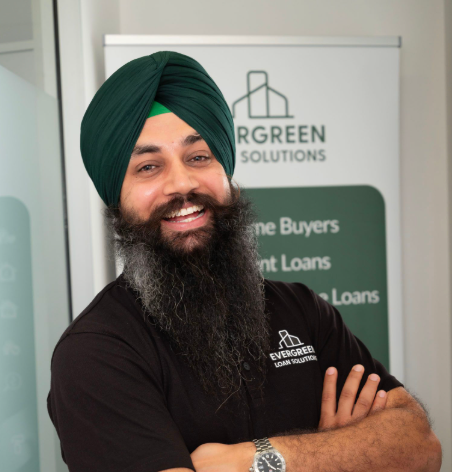
Gundeep Virk · Director, Evergreen Loan Solutions · Chat to Gundeep →
What established and premium suburbs suit healthcare workers in Brisbane Southside?
These suburbs suit healthcare buyers with equity behind them, a professional LMI waiver, or a deposit already at 20%. House medians here sit well above the scheme caps, but the quality of stock, the proximity to private hospitals and specialist precincts, and the lifestyle draw make them the natural next step for upgraders and higher-income professionals.
Upper Mount Gravatt
Upper Mount Gravatt has one of the deepest unit markets in the premium tier, with unit growth of over 26% in 12 months, and sits close to Westfield Garden City, which suits specialists and senior medical staff who want lifestyle alongside lender-friendly stock.
- Median house price: $1,334,000
- 12-month house growth: +10.71%
- Median unit price: $785,000
- 12-month unit growth: +26.61%
- Best suited for: specialists, senior nurses and allied health professionals buying a unit or a house using equity or a professional waiver
Holland Park
Holland Park attracts established healthcare professionals who want a house rather than a unit and are comfortable above the scheme price caps, with the suburb's character housing stock appealing to doctors and dentists whose borrowing structure doesn't depend on scheme assistance.
- Median house price: $1,550,000
- 12-month house growth: +10.71%
- Median unit price: $790,000
- 12-month unit growth: +0.32%
- Best suited for: doctors and dentists with a professional LMI waiver or 20% deposit, buying a standalone house
Robertson
Robertson is the prestige example on the southside, with a median house price of $2,480,000 and sound sales volume to back the figure. It suits senior specialists and healthcare practice owners for whom prestige lending structure, not scheme assistance, drives the application.
- Median house price: $2,480,000
- 12-month house growth: +9.01%
- Best suited for: senior specialists, practice owners and high-income healthcare professionals buying without scheme dependence
Source: CoreLogic (via YIP, mid-2026).
| Get in touch Need help buying in Brisbane Southside? We're a local team who understand how lenders actually assess your situation, not just your rate. We'll compare your options across 50+ lenders to find the right fit.
|
What should healthcare workers consider when choosing a suburb here?
The practical question is whether you need scheme assistance or whether your profession unlocks a different path. If your deposit is under 20%, the $1,000,000 cap that applies across Brisbane Southside means a house purchase in almost every suburb here sits above what the First Home Guarantee or Help to Buy will support. Units are where scheme-eligible buying actually happens, and the suburbs above with deep unit markets, Annerley, Moorooka and Upper Mount Gravatt, are the ones where you'll find enough stock to be selective.
Commute time matters differently for healthcare workers than for most buyers. Shift start times at 6am or 7am, and the QEII Jubilee Hospital at Coopers Plains serving as the southside's main public employer, mean proximity to work reduces real daily cost in a way that a suburb 25 minutes further out does not. If you're buying close to early retirement from shift work, a suburb you can walk or cycle from matters more than one with a bus connection.
For higher-income professionals, the professional LMI waiver is often the more useful lever than any scheme. Some lenders waive LMI entirely for registered medical practitioners to 95% LVR, and for allied health professionals earning above approximately $90,000 to 90% LVR, with no price cap attached. That removes the constraint the scheme caps create and opens every suburb in the area. Whether that's available to you depends on which lenders your broker has access to and on your specific income structure, so it's worth understanding before you decide which suburb to target.
What do these medians mean for your deposit and borrowing?
With 18 of 20 approved suburbs carrying a house median above $1,000,000, a healthcare buyer purchasing a house here at standard LVRs needs a deposit of at least 20% to avoid LMI, or a professional waiver to borrow above 80% LVR without it. At 20% on a $1,368,000 Moorooka house that's around $273,600 saved. At 20% on a $1,260,000 Coopers Plains house it's around $252,000. These are realistic targets for senior healthcare professionals, not entry-level ones.
The unit market changes the picture. At a $803,500 Annerley unit or an $846,500 Coopers Plains unit, a 5% deposit under the First Home Guarantee lands between roughly $40,000 and $43,000, which is within reach for most nurses and allied health professionals with 18 to 24 months of savings. The $1,000,000 Brisbane Southside cap covers every unit median in the approved suburb set, so scheme eligibility is not the constraint here. Qualifying on income is, which is where lender choice moves the number.
For Tier 1 professionals, doctors, dentists and veterinary practitioners, some lenders allow borrowing to 95% LVR with no LMI and no minimum income requirement, including at the intern and registrar stage. At 95% LVR on a $1,400,000 Annerley house, a 5% deposit is $70,000. That is a materially different buying position from a standard 20% requirement, and it's one of the few cases where a house purchase in a suburb above the scheme cap remains practical for an early-career professional. A healthcare buyer who goes to a lender that doesn't publish this policy simply doesn't see it.
Source: CoreLogic (via YIP, mid-2026) and Housing Australia.
What should healthcare workers consider about suburb choice beyond price?
Price and proximity are the two things most buyers lead with, and both matter. But the third factor is the income shape that comes with your role, and it affects which suburb is actually reachable, not just appealing. A physiotherapist running a private clinic with variable monthly billings is assessed differently from a hospital physio on a permanent contract, even on the same gross income. The clinic-based income needs a longer history and more documentation before a lender will count it in full. That means the deposit saved isn't the only number that matters: the date you apply matters too.
For agency nurses or healthcare workers with two part-time roles, where you've worked and how consistently you've worked there is what lenders weigh. A suburb that looks affordable on a combined income can become harder to reach if one of those incomes needs 12 months of consistent history before it's counted at all. In those cases, choosing the right lender before choosing the suburb makes more sense than the other way around.
If I were a nurse working agency shifts in Brisbane Southside and choosing between suburbs, I'd get the income question settled first. Once you know which lenders count your shift history in full, the suburb comparison becomes straightforward. Without that, you can do the research, fall in love with a suburb and then find the number doesn't work the way you expected it to.
Gundeep Virk · Director, Evergreen Loan Solutions · Chat to Gundeep →
How does a mortgage broker help healthcare workers buy in these suburbs?
The three decisions that move the outcome for healthcare buyers aren't about the rate. They're about how your income is read, whether your occupation unlocks a waiver, and which lender's policy matches your employment shape.
- › Waiver ceiling by occupation: some lenders stop at 90% LVR for allied health professionals, others publish 95% for doctors and dentists. The right occupation-to-lender match is not published in one place.
- › Shift income treatment: some lenders count penalty rates and overtime in full; others shade them. That single policy difference can move your assessed income by enough to change which suburb is reachable.
- › Agency versus permanent employment: lenders differ on how much history they need before agency income counts. Some require 12 months with the same agency; others assess a consistent pattern across agencies. Applying to the wrong one first puts a decline on your credit file.
Comparing those three variables across a 50+ lender panel is what determines the suburb you can reach and the deposit you actually need, not a number from a calculator.
Frequently Asked Questions
Can nurses buy a home in Brisbane Southside with a 5% deposit?
Yes, nurses can use the First Home Guarantee to buy with a 5% deposit and no LMI. The $1,000,000 Brisbane Southside cap covers every unit median in the approved suburbs, so scheme-eligible stock is available across the area.
Do doctors really get to borrow to 95% LVR with no LMI?
Yes, at some lenders. Registered medical practitioners, including interns and registrars, qualify for the Tier 1 professional waiver, which can reach 95% LVR with no LMI and no minimum income requirement. Whether it's available depends on which lenders your broker accesses.
What income threshold applies for the allied health LMI waiver?
Most lenders that publish a Tier 2 allied health waiver require a gross income of around $90,000 per year. Physiotherapists, pharmacists, optometrists, psychologists and registered nurses typically sit in this tier, at 90% LVR.
Which Brisbane Southside suburbs are still under the $1,000,000 scheme cap for healthcare workers buying a house?
Only Rocklea has a house median clearly under the cap at $830,000, though it carries a flood history and should be assessed with that in mind. Every unit median across the approved suburbs sits under the cap.
Is the professional LMI waiver better than the First Home Guarantee for healthcare workers?
It depends on your profession and income. The waiver carries no price cap, which opens every suburb in the area. The First Home Guarantee is capped at $1,000,000 but has no income or occupation requirement, making it the stronger pathway for nurses and allied health professionals under the waiver income threshold.
Should healthcare workers in Brisbane Southside use a mortgage broker or go direct to a bank?
A mortgage broker, every time. Professional LMI waivers and occupation-specific income policies differ between lenders and aren't published in one place. A broker who accesses 50+ lenders can match your occupation and income shape to the right policy before you apply.
Your Next Steps
For healthcare workers, buying in Brisbane Southside comes down to understanding which suburbs are realistically reachable given your income structure, your occupation tier and your deposit, then matching that to the lender whose policy gives you the best starting position. Most of the decisions that matter happen before a property search, not during one.
If you're ready to work through where you stand, contact the Evergreen Loan Solutions team or call 0421 152 859. We'll canvas our 50+ lender panel and find the most suitable options for your circumstances.
|
External Resources
Evergreen Loan Solutions, Eight Mile Plains and Brisbane Southside. This is general information only, this article does not constitute financial advice. Please consider your own circumstances and seek professional advice before making any financial decisions.